Showing posts with label rap. Show all posts

Friday, July 19, 2019

9 Albums That Built Me

The hashtag #9goodalbums was going around social media a while back and I figured I'd finally give it a whirl. This list is supposed to contain 9 good albums that "built me," and generally I stay away from these things because I hate limiting my influences/favorites. 9 spots could never actually cover the albums that had a major impact on me. Inevitably, a few great ones are left off, but so be it. Gotta start somewhere.

The following albums are mostly from my youth. There have been incredible albums in the last 20 years, but I've found that with most people (myself included) the most "influential" music is generally that which you first fall in love with.


Motley Crue - Girls Girls Girls

Image result for motley crue albums

A "Best of The Beach Boys" cassette is one of my earliest memories of music. I think it was my parents' tape, but I grew very attached to it. I loved their intense positivity and vocal harmonizing. It always felt like I was being whisked away to a California beach when I listened to them. I even had a Beach Boys windbreaker. 

My Dad also had several "Best of Motown" cassettes, with the greatest hits from each year of Motown's heyday. Between that and listening to the Oldies station on the radio during long car rides, I was exposed to a lot of older music, which I'm very thankful for. As I grew up, I was able to see the influence on current music, and even recognize some samples and reconfigured melodies.

Most of the stuff I listened to as a very young kid could be described as "pretty" and melodic. Then came Motley Crue. I saw a video (probably Smoking in the Boys Room, from their previous album) and it opened up a whole new world of possibilities. It was the anti-establishment, don't give a fuck attitude I didn't even know I needed. These were hard rocking, long haired weirdos with motorcycles and girls all around them, the essence of cool to a prepubescent boy. 

I loved Motley Crue for a while. They rocked out, they had singable hits, they were fucking crazy...Nikki Six was literally dead from a heroin overdose, paramedics revived him, and he went right back for more heroin! That's a rock star!

I don't think I was even "into" girls when this came out, but this album let me know that liking girls was cool. It also told me that long hair, leather, motorcycles, and smoking in the boy's room were cool, but somehow, those things never caught on with me.


DJ Jazzy Jeff & The Fresh Prince - He’s the DJ, I'm The Rapper 
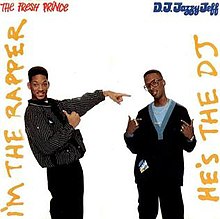
Image result for fresh prince hes the dj

This album changed my musical direction for good. I had enjoyed some rap songs before this point. I liked Run DMC, some Biz Markie, Tone Loc. But I was still mostly into Motley Crue and Van Halen. When this album and its videos came out, hip hop took over my musical preferences completely.

Will's charisma and humor always got the spotlight, which coincided with the larger trend in hip hop of MCs starting to take the spotlight from the DJs, who were always top billing up to this point. Technically, Jeff even had top billing in this group, and with good reason: he was a phenomenal, one-of-a-kind DJ. Without his backing, Will Smith may never have been the global megastar he is today. The Fresh Prince persona brought people in, but Jeff kept them coming back. Despite the success of Will's solo music career, the quality of his later music just never compared to his Fresh Prince days.

This album has the obvious hit singles (Parents Just Don't Understand, Nightmare on My Street) but the album cuts are the true gems. Here We Go Again, Brand New Funk, Charlie Mack - First Out the Limo. Insanely fun jams that still hold up. Then there was Human Video Game with Ready Rock C doing beatbox versions of Sanford and Sons underwater....just awesome stuff. Live at Union Square gives a good glimpse of how well Will and Jeff rocked a crowd, and how well they represented the fundamental elements of hip hop.

As silly and "commercial" as Fresh Prince could be, this album is truly iconic, a highlight of 80s hip hop that withstands the test of time.


Leaders of the New School - A Future Without a Past

Image result for lons a future without a past

This was an incredibly influential album in my life, which I purchased because I thought Scenario was on it. I ended up buying The Low End Theory for Scenario, and that is one of my favorite albums of all time (which I didn't include here because I talked about it enough already) so it all worked out, and I learned two things: always check the track list, and you can never go wrong when Busta Rhymes is involved.
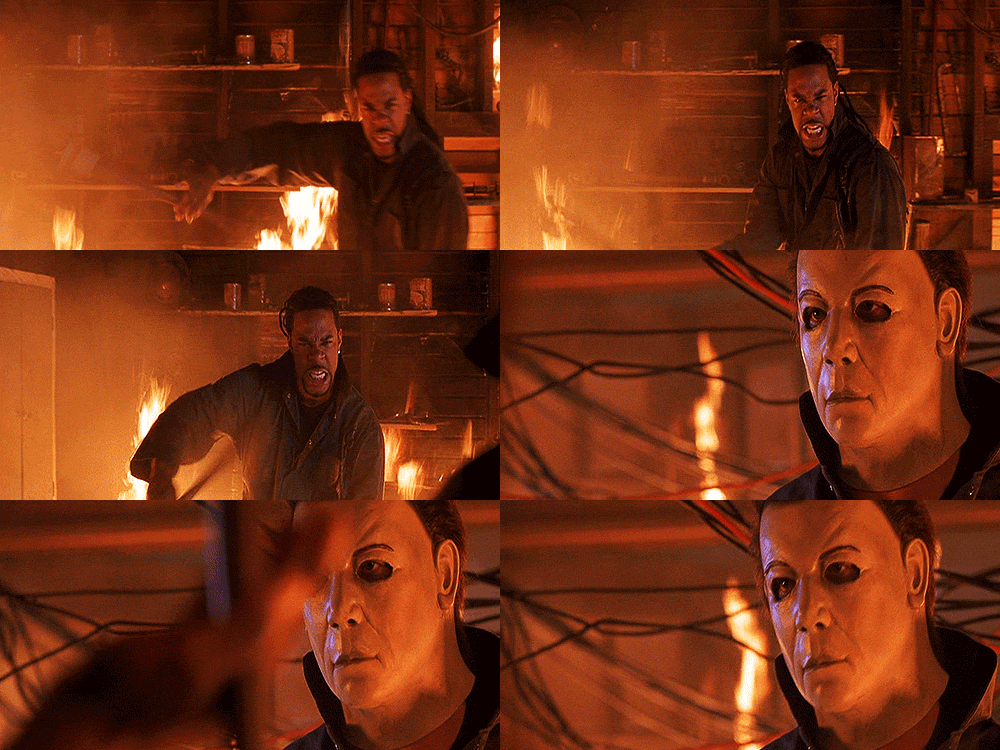
Image result for busta rhymes michael myers gif
Ok, maybe not never.

Similar to Fresh Prince, these guys were funny as hell. This album took on some serious issues (Just When You Thought It Was Safe, Too Much on My Mind), but always with a smirk and a snap about your mother. They all had their own identity and style, but on this album everything meshed perfectly. There's a 12 minute outro where they thank people in their lives and shout out other rap groups, and I could still sit and listen to the whole thing.

A few years later, Busta Rhymes began his ascent to hip hop superstardom. Sadly, they only have one other album together, which is also good. I always loved Busta (he blew my mind on Scenario) but Chalrie Brown may have been my favorite. Pinocchio's Theory is such a bizarre and awesome song. And Dinco D is still underrated.


Gang Starr - Daily Operation

Image result for gang starr daily operation

I heard Take it Personal on BET Rap City and I was transfixed. How could this mellow, smooth-voiced short dude sound so menacing? My head was bobbing uncontrollably and I wanted to hit someone over the head with a pool cue for stuntin on me. The scratches on the chorus were beautiful; besides Jazzy Jeff, I had never heard scratching sound so majestic. The beat was hypnotizing, with those interjecting piano keys looped throughout.

Then I heard Ex Girl to the Next Girl, with those horns? I had to have the tape.

But there was a problem. It had an Explicit Lyrics sticker (Thanks Tipper Gore!) and I was 11 years old. When I went to the mall with the family, I split off and went to Sam Goody, where I quickly purchased it (thanks, non-caring Sam Goody employees!) with the money I made weed whacking. Then I carefully peeled off the sticker before showing it to my parents. Honestly though, it was barely explicit. It had a few swears, but I think labels were just tossing stickers onto every rap album.

This album also introduced Jeru the Damaja and Group Home, artists I loved for a while. Gang Starr made a couple classics after this (Hard to Earn, Moment of Truth) but there's a special place in my heart for this album.


Wu-Tang Clan - Enter the Wu-Tang: 36 Chambers

Image result for enter the wu tang

Whew. Enter the Wu-Tang. What the hell was this? Do people understand what it was like to hear this album in 1993? Like nothing I had heard before.

I heard M.E.T.H.O.D. Man a few times, including once at a roller skating jam at Bulkeley High School that my mom must've been chaperoning because I was still in middle school. It was cool, and Meth had that star charisma, but it didn't stand out that much. But then came Mystery of Chessboxin. The video. The beat. The lyrics. Mindblowing. It was like the comic books I loved and kung fu movies I had seen on Saturday afternoons coming together to create an atomic bomb of awesomeness. They had the same attitude and vibe as Motley Crue, except with timbs, jeans, and hoodies instead of leather pants and long hair. They had the same energy and cohesiveness as Leaders of the New School and A Tribe Called Quest. There were so many different styles and voices that you were bound to connect with at least one.

This album was hard as hell, but what often gets overlooked by hip hop albums deemed "gangster" or "street" is the humor. Try not to laugh during the "torture" skit. The Coen Brothers can barely do dark humor that well (one of my favorite movies ever is Fargo, which came out 3 years after this). There is wit and a dark humor throughout the album that better illuminates the tragic realities these guys were exposing. And the music...the grittiness, the grooves, the sound effects....everything combined to create this pure, unique musical experience that has still never been matched.

Their next album is also a classic (and the two after that are good) and several of the members have classic solo albums, but nothing could ever match this album's impact and appeal. Soowoo! 


Redman - Dare iz a Darkside

Image result for redman dare iz a darkside

This is one of my all time favorite albums and Redman's entire persona and discography is hugely influential to me.

From the album cover (a reference to Funkadelic, which I didn't even get until years later) to the red cassette tape, to Redman's frenetic energy, absurdist humor, and magnetic charisma, I can't say enough about this. It came out my freshman year of high school which was not a good year for me overall. Redman provided me with a much needed release. I could lose myself every time  I put on my headphones and listened. But I could also find myself. Thanks to Redman and especially this album, I realized I could be different and weird and upend expectations. This was a departure from his previous album (which is also great) and was met with a lot of skepticism and criticism. But the music and the man were undeniable. This was who he was and the music he wanted to make, and you were going to love it.

After this album, he made several more classics, which sold even better, and he shot to superstardom with Method Man. When Redman made it, I felt like a part of me had made it. I mean, watch his Cribs episode and tell me you don't love that guy and want to root for him forever.


Outkast - Southernplayalisticadillacmuzik


Image result for southernplayalisticadillacmuzik


For a while, I didn't want to believe Southern rappers were good. I liked Geto Boys but that was about it. Hell I barely gave West Coast rap a fair shot. Nothing could beat the East Coast!

Then came Andre and Big Boi, putting all that to rest. Their accents and their vibe and the local references I didn't quite understand drew me in. All of a sudden, the notion that geography mattered when it came to music seemed absurd. At 13/14 years old, "cool" meant more than anything, and these motherfuckers were cool. They had taken the mantle from Motley Crue and rock stars. They even made Atlanta Braves gear seem cool and I hate the Braves!

They, Andre especially, grew increasingly weird over the next albums (all verifiable classics) but the quirkiness was apparent here. They embraced their black, Southern culture completely and wore it as a badge of honor. And they were so cool and confident that the mainstream had no choice but to embrace them eventually.

I love all their albums (except the Idlewild soundtrack, which was still decent) but this and Aquemini are by far the most influential. Aquemini was a staple at college. They had grown so much as artists and people, yet the're chemistry together was even better; they were diving deeper into personal and social issues, and they were even weirder. To be honest, I could have put Atliens or Stankonia here, too. But this is where it all started, so it gets the nod.


Mobb Deep - The Infamous

Image result for mobb deep the infamous

I was 14/15 years old, unhappy at school, going through puberty...I needed something, I didn't even know what it was. It turns out, I needed two teenagers from Queensbridge to make one of the most sinister, neck-breaking, face-punching hip hop classics of all time.

Mobb Deep had Outkast's coolness but with a side of menace. There wasn't much quirkiness or humor either. This shit was dark. The beats somehow made you want to simultaneously zone out and think about the meaning of life while punching everyone who ever wronged you. I refused to wear any boots besides Timberlands for a decade because of this album. This album sounds like a harsh winter spent in an alley playing cee-lo for shots of Hennessey. This album sounds like teens working through depression in an unbelievably harsh environment...because that's what it was. And it is beautiful. 


Danny Brown - XXX

Image result for danny brown xxx

I had to put this on here because this album was the beginning of a new era in hip hop to me. The late 2000s were particularly slow/weak for hip hop. There were some solid acts out there, and some veterans still making good music, but it had grown pretty stagnant. I had gotten really into downtempo/trip hop/instrumental acts like Bonobo and Blockhead. Rappers were starting to bore me. It was on Blockhead's blog where I first heard of Danny Brown. Blockhead was raving about him. I then saw a few other blog posts doing the same, and I finally checked him out.

He was definitely unique. I didn't take to his music right away, and I think he purposely makes it not easily accessible, especially beginning with this album. But I dug his originality and wit and overall vibes. Then I gave this album a focused listen, and it finally hit me. This was what and who I had been waiting for for a decade, at least since ODB passed, or since the last proper Outkast album dropped. Hip hop had life again. Excitement. It was breaking boundaries.

During the recording of this album, Danny was dealing with turning 30 and reflecting on his life...at the same time I was turning 30. I can't exactly say I lived a similar life, but I could definitely relate to the emotions he was expressing about getting older, worrying about running out of time, worrying about whether he'd ever be good enough, etc.

Plus he was just funny as hell. And once I got used to his high pitched yelp, I could hardly listen to any artist with a regular voice anymore.

Although Danny was 30 and had been making music for years, he was still part of a "new school" of rappers that I discovered around this time. After hearing XXX, I wanted to check out what other new artists were doing, and I discovered Schoolboy Q and Black Hippy, Roc Marciano, Freddie Gibbs (all artists who Danny has worked with). My faith in hip hop was restored. Thanks Danny!

I Love You All...Class Dismissed. 

Wednesday, August 1, 2018

Let's Talk About Sex and Hip Hop: How 90s Rap Helped Stem the AIDS Epidemic

Hip hop has always been a reflection of society, yet since its inception, certain people have blamed hip hop for society's problems; it's been labeled the cause of violence, drug use, Fred Durst, even AIDS. It still gets the blame whenever a conservative needs a convenient scapegoat for mass shootings. Or when their own kid is caught with cocaine. It must be that damn rap music!

There are valid criticisms of rap (and all art) for its content and the influence it has on consumers, but most arguments focus only on the negative and miss the point of influence. Biggie talking about selling drugs and kidnapping a Knicks player isn't going to make me want to do the same. But Biggie wearing a Coogi sweater might make me want to get one. Biggie saying, "Now I throw shields on the dick, to stop me from that HIV shit" might make me think twice about going bareback. Throw in Snoop saying, "I got a pocket full of rubbers and my homeboys do too," and Ghostface Killah telling his boy to "take this raincoat, and practice safe sex," and  protecting yourself from STDs and unwanted pregnancy becomes the cool thing to do. And when it comes to reaching people, especially young people, nothing works better than cool.


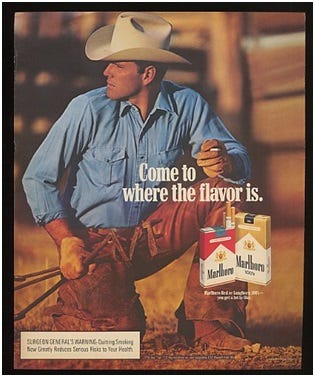
Ask Phillip Morris.

Critics argue that rappers promote promiscuity, but studies have shown that hip hop had no negative effect on people's sexual behavior. This study from the National Institutes of Health states, "Popular discourses on young men’s health risks often blame youths’ cultures such as the hip hop culture for increased risk practices but do not critically examine how risk emerges in urban young men’s lives and what aspects of youths’ culture can be protective." The authors of the study claim that Hip hop did not lead to riskier behaviors, and more studies should be done on the positive, or "protective" qualities of hip hop. Nothing says protective like promoting condoms, and it's quite possible that hip hop not only had a positive effect on sexual behavior, but that it played a vital role in helping to stem the HIV/AIDs epidemic in the 90s.

Throughout the 80s and 90s, HIV was rampant in the US. Once people realized it wasn't just killing off "the gays," the realities of the disease caused nationwide panic. TV shows and movies started to address the crisis. Hip hop, the most socially aware genre of music in history, constantly reminded its listeners, and viewers, of the dangers of HIV and the benefits of safe sex.

It wasn't exactly subtle either.

As usual, women led the way. In 1990, fresh off the success of their provocative "Push It," Salt-n-Pepa came back with an educational after school special of a song that somehow became a hit. "Let's Talk About Sex" was all over MTV, BET and mainstream radio. I remember hearing it in the car with a friend's parent and getting embarrassed, but it's such a good song that we were all singing the chorus by the end of it, with my friend's mom emphasizing "and the BAD things that may be."


The song wasn't preaching, it was fun, and conversations about sex should be fun. Kids are more likely to learn that way, but most adults are so uptight about sex that they can't overcome their own discomfort long enough to discuss it with children.

Salt-n-Pepa was by no means the first to mention the merits of condoms and safe sex. It was just the most earnest, and frankly, the most popular instance, so it was the most important. They reached an audience a lot of earlier rappers didn't.

The Teacha, KRS One, deserves a lot of credit for his contributions to providing comprehensive sex education to 80s kids. In 1988, Boogie Down Production released "Jimmy," where KRS says: “Jimmy hats are now in style ‘cause you can’t trust a big butt and a smile.” That song is loaded with gems like: "drippin jimmy’s is straight up wack." The shit is absolutely hilarious, but at the time, HIV was ravaging the country, and the federal government was openly mocking gays and calling people gay for even asking about HIV. Then here comes KRS telling straight men (who he calls "super hoes," so he was ahead of his time on gender equality, too) to wrap it up. It wasn't just gay people who needed to be careful. There was nothing like this in music at the time. BDP didnt exactly make it to mainstream radio, but this song was a legitimate rap hit. About putting on a rubber. In Reagan's America.


Of course, there's one more legend we can't overlook for his contribution to keeping your jimmy from drippin. Kool Moe Dee. The epitome of cool (it's in the name!). Before he was a "player" he had to go see the doctor. This was a cautionary tale about the consequences of unprotected sex. "As I turned around to receive my injection, I said "Next time I'll use some protection." This was 1986, two years earlier than BDP. It was straight up comedy, but it was no joke. Again, the best way to teach young people is using humor and fun, and there's not many songs as fun as this.


"Jimmy hats" became a popular term in rap in the late 80s and 90s. It was like a rebranding of the too technical "condoms" and too silly "rubbers." Jimmy hats was a clever, funny term created by hip, young black men. Hip hop slang, though often ridiculed, travels the world and eventually becomes mainstream. (Remember how many old white people said "fleek" in 2016? They used it mockingly at first, but they used it.)  The term "jimmy hats" maintains that sense of coolness that is so important in reaching young people when it comes to changing risky behavior.

KRS may have pioneered using the term "jimmy" in a song, but others weren't far behind. In Digital Underground's awesome 1990 single, "Same Song," everyone's favorite fake-nosed rapper Humpty says:
Pull out my jimmie, time to get busy wit a Jenny
If it's good and plenty, don't you know
There I go, there I go, there I go
But I don't go nowhere without my jim hat
If I'm rapping, 'cause she's clapping
Then I'm strapping 'cause I'm smarter than that


In 1991, former NWA member Ice Cube released "Look Who's Burnin." The song starts with people talking at a clinic, with one guy saying "I came here to get some rubbers." The nurse lists off STDs. Then Ice Cube comes in and raps:
I went to the free clinic, it was filled to capacity
Now how bad can a piece of ass be?
Very bad, so I had to make the trip
and thank God, I didn’t have the drips
I was there so a hoe couldn’t gimme that
Just to get – twenty free jimmy hats.

One of the top comments on that video says: 
"One of the main reasons I always kept condoms on me...Thankz Cube!"


The same year Ice Cube dropped that song endorsing condoms and clinical check-ups, Magic Johnson was diagnosed with HIV. To say it was a shock doesn't do it justice. The electric chair is a shock. This was an asteroid landing on our heads. The NBA and hip hop have always been closely connected, and Magic's diagnosis reverberated through hip hop culture. There were the obvious jokes but there was also serious concern. If Magic, an icon, a hero, can get this disease, that meant anyone could. It wasn't just the black community or basketball or hip hop community that felt it, it was the whole world waking to this realization.

That's why it was so iconic and powerful when TLC debuted in 1992 and Left Eye wore the condom as an eye patch.

I can't explain the hat though.

It couldn't be ignored. The whole group often wore condoms as accessories. It was a fashion statement with a message. It was provocative, because everything related to sex is provocative in this uptight country, but they were promoting safety as well as female and self empowerment. They showed that women could take control of their own sexual health. They may not have been too proud to beg for sex, but they were too proud to have it unprotected.

Many other rappers deserve credit as well. There were countless lines promoting safe sex in the 90s. In Bonita Applebum, one of hip hop's greatest love songs, Q-Tip lets people know that "if you need em, I got crazy prophylactics." That was before TLC came out, and later, his rhyming partner (RIP Phife) reupped the claim, even shouting out the ladies who had become synonymous with condoms: "But just in case I got more condoms than TLC."

There were also some...questionable references to safe sex. You'd think the man responsible for creating the Hip Hop Love Ballad would be a little smoother with his sexual metaphors. And yet, he released "Pink Cookies in a Plastic Bag Getting Crushed By Buildings." As a single!

This came out in 1993 and I had no idea it was a metaphor for safe sex until 2017.
It still makes no damn sense, but good job I guess, LL.

Jay Z once said he "got a condo with nothing but condoms in it." Damn, Shawn, not even a fridge? Or a bed? Where are you gonna use those condoms? There's not even a rug you can lay out on the floor? It seems a bit excessive.

Dre Dre had an extended verse about his experience with STDs. If I had to guess, I'd say the doctor has had to treat himself a few times:
And before me dig out a bitch I have ta’ find a contraceptive
You never know she could be earnin’ her man,
And learnin’ her man, and at the same time burnin’ her man
Now you know I ain’t wit that shit, Lieutenant
Ain’t no p**sy good enough to get burnt while I’m up in it"

Many rappers like Dre focused on the consequences of unprotected sex to shame people who didn't protect themselves. Shame can have a powerful effect, too. It was not cool to get "burned." We all loved Ol' Dirty Bastard, but we didn't want to be like him and get burned not once, but "actually two times goddammit." Unfortunately, a lot of the shame tactics turned into anger at women, a common male tactic, which is why TLC's fashion statement was so powerful in a male dominated industry.

For the hip hop community, HIV/AIDS hit even closer to home in 1995 with the death of Eazy E. There became a sense of urgency to address the virus in the hip hop community and society as a whole. This was at a time when hip hop was becoming the most popular music genre in the country, so its impact was being felt on a massive scale.

In that year, 1995, there were more deaths from AIDS in the United States than ever before. There were well founded fears of a new age plague.

In 1996, the immensely successful Wu Tang Clan, fresh off a classic debut and several successful solo albums, decided to use their considerable influence for good. They came together with many other popular rappers (Common! Spice 1! Coolio!) to release "America is Dying Slowly," an album full of warnings and advice about HIV/AIDS. On the lead song, "America," Wu Tang raps in the chorus:

AIDS kills, word up respect this, yo
Coming from the Wu, it's real

Here were some of the best and most popular rappers in the world talking about the dangers of unprotected sex and AIDS over a 1996 RZA beat. Incredible.


This album went deep. These artists took real time and effort to make quality music with a powerful message. RZA even gave a great line about the popular conspiratorial claims about HIV:
Overcome with passion, big ass want lust upon him
But nigga he forsake to grab the condom
Fuck it, he said AIDS, was government made
To keep niggas afraid so they won't get laid no babies be made
And the black population will decrease within a decade
German warfare product against the dark shade


They dismissed the myths about AIDS and gave real life advice. It wasn't just a "my label wants me to do something positive" thing. They saw people dying in their community at a rapid pace and knew how serious the situation was, so they decided to do something about it.

By all accounts, it worked. There was a drastic drop in the number of AIDs related deaths in 1996. Many people credit the antiretroviral drugs that became widely available that year, and sure they deserve some credit (okay, a lot of credit) but it's not a reach to say that hip hop played a significant role in raising awareness about the disease.


Despite the rapid drop in AIDS related deaths in the late 90s, HIV/AIDS and STDs never went away, and rappers never stopped promoting safe sex.

In 2003, Freeway rapped: "And she want me to sneak in the building like trolls and a toy, Best believe there's Trojans involved, hats lift over the boy, oh boy."

In 2007, Beanie Sigel, always brilliant, provocative, and politically incorrect, rapped: "I'm Ruthless, but nothin like Eazy, I keep a pocket full of Magnums, believe me."

In 2008, the guy who made eating buttholes popular said: "Safe sex is great sex, better wear a latex cuz u dont want that late text, that 'I think I'm late' text."

Hip hop's promotion of safe sex is so well known that even condom manufacturers and brands took notice. In 2004, a company called Jimmie Hatz (great name!) marketed condoms to the young "urban" crowd. This had the added benefits of making the people at Fox News blow a fuse.

Magnum condoms, a brand popular with rappers for the...genital implications, saw their sales boosted 14 percent from 2001-2010. They largely attribute that boost to rappers referencing the brand in their songs, such as Ludacris ("Stop by the convenience store and pick up them rubbers, Magnum I hope") and Rick Ross ("Hit the Dodge lot I must've copped six Magnums/ Marriott suite, I must've used six magnums"). In 2010, with their first ever marketing campaign (they literally did not run ads because they relied on the free publicity from rappers) they held a rap contest in 2010 to see who could come up with the best song about Magnums.


Even the current White Boy Wonder G-Eazy referenced condoms just last year on a hit song: "keep a Costco pack of rubbers by my night stand." He's smart and thrifty!

Everyone seems to focus on the risky behavior that rap "promotes," such as promiscuity, but if the argument is that rap influences people, logically (considering the abundance of condom references) some of that influence must be positive.

Hip hop, for all the ridiculous blame it receives for society's problems, never got the credit it deserved for raising awareness about HIV/AIDS. The genre was highly influential in avoiding a much worse AIDS epidemic in the 90s and remains an important tool in promoting safe sex.


I Love You All...Class Dismissed.

Monday, July 23, 2018

Roc Marciano Continues His Winning Streak

This article appears on 90s Hip Hop Junkie.

Roc Marciano isn’t just a rapper with a “90s aesthetic” trying to appeal to hipsters and old heads; he is a 90s rapper. Literally. Anyone familiar with the NY hip hop scene knows Roc’s bio, but for those who aren’t, he began with Busta Rhyme’s Flipmode Squad, then left in 2001 to form the UN with three other NY underground rappers. Throughout the 2000s he had some scene stealing appearances with the Wu, and in 2010 he released his self-produced debut solo album Marcberg. He hasn’t looked back since.

Image result for roc marciano
Rakeem Calief Myer aka Roc Marciano

In the past two years, he released two excellent albums, Rosebudd’s Revenge and Rosebudd’s Revenge 2: The Bitter Dose, possibly the best albums in a catalogue with no misses. Roc is back with a quickstrike EP called Warm Hennessy, a collection of 4 loosies with several remixes and instrumentals. A lot of fans may have already heard most of the verses on here, but the remixes are different (and good) enough to enjoy this as a fresh release. Former UN member Dino Brave, along with frequent collaborator Hus Kingpin and others, join the New York legend on the mic, while the Arch Druids provide the beats, and J-Force and others deliver the remixes.

In typical Roc fashion, the EP is grimy yet lush, cold as ice but perfect for summer nights on the stoop. The album cover features what looks like a vintage picture of New York City, with the Empire State Building centered prominently. It perfectly symbolizes what you will experience once you pop in the cass…um, the mp3s. Or cop the vinyl on bandcamp.


Although Roc follows a winning formula, his style doesn’t get stagnant and he never wallows in shallow nostalgia. Instead of forcing you to try to feel something of a 90s NY vibe, Roc is firmly in the present; he has simply been molded and defined by a certain era, an era that many hip hop heads wish never ended. An era captured by the cover art. An era that many newcomers (and even veterans) try to emulate yet most merely imitate.

Roc’s longevity and adherence to his singular vision allows him to find a sweet spot between nostalgia and living in the current moment. Much like fellow NY artists KA and Westside Gunn, Roc has created his own aesthetic. If he was a movie director, he'd be called an auteur. Not one to follow trends, even the ones he started, Roc slightly switches up the sound on this EP. The Arch Druids worked with Roc before on Emeralds, Here I Am, and Marksmen, and they have added a few more street bangers to their mutual collection. With typical (but not tired) rap drums, there’s more percussion than recent Roc releases, but he delivers his expected wit and wordplay over the gritty soundscape. All of the guests contribute solid verses, in particular Hus Kingpin on the title track, and the horns during the chorus on Bo$$ Material feel like a guest verse on their own.

Since 2010, Roc's career has emulated that of his namesake: he’s favored to win, he should win, and he does win. It's good to switch up the formula a little, which Roc does here, but if the overall formula works this well, there's no need for drastic changes. After all, Rocky Marciano was 49-0. Although it lacks the cohesiveness of his albums, and it doesn’t reach their heights, this EP is another notch on Roc’s championship belt.

Image result for rocky marciano
Rocky Marciano would be proud

I Love You All...Class Dismissed.

Friday, December 9, 2016

Diggin in the Cassettes: Stakes Is High

I wanted to keep the Native Tongue vibe going here. Unfortunately, this is the only De La Soul cassette I own. Fortunately, it is one of if not the best De La album.


Prof Thug's Diggin in the Cassettes Vol. 6

De La Soul - Stakes Is High

Signed by group members Posdnuos and Trugoy (Dave).


A Tribe Called Quest and De La Soul are inevitably compared because of their Native Tongue association, as well as their similar vibes and the eras in which they came to prominence. Tribe was my first favorite rap group. For whatever reason, it took me a little longer to appreciate De La Soul. I immediately loved their first major single, Me, Myself, and I, but for some reason, I didn't get their first two albums (I was a broke kid. That was the reason). I loved all the singles from their first two classic albums, and my friend had Buhloone Mindstate, which I listened to so much I might as well have owned it, but the first De La album I actually owned was their fourth full length.

I eventually bought all their albums. 3 Feet High and Rising and De La Soul is Dead are undeniable classics. With the help of legendary producer Prince Paul, they defined the sound of the D.A.I.S.Y. Age on the first album, and then declared the death of that era on their second. Their humor, and their stance in opposition to anything overly popular, defines their sound. Besides showing the industry that you can be yourself and still make quality, commercially viable music, they also invented the rap skit (for better or for worse). Originally, these skits were groundbreaking; they were funny but they also established a theme throughout the albums. Now, however, the skits drag those albums down a little. Maybe it's because the world moves at a faster pace, or I'm more impatient, or maybe I've just heard them too much, but whatever the case, they don't hold up. They were groundbreaking, sure, and the albums are still classics, but it can be difficult to listen to them straight through.

Their third album, Buhloone Mindstate, could easily be considered a classic, too. Their sound evolved (as it does with every album they release). It was more straight up jazzy, smoother, and more focused than their previous albums. The skits were kept to a minimum but the humor was still present. The biggest fault I have with it is that they took some shots at other Native Tongue affiliates, which made me sad. Fortunately they made up on this album.

De La's consistency and longevity is unmatched in hip hop. When they came back in the 2000s with their Art Official Intelligence series (Mosaic Thump and Bionix) they managed to reinvent their sound again. I consider these two albums classics, too. We bumped the shit out of those albums in college. Their last two albums, The Grind Date and ...and the Anonymous Nobody are the only weak spots, and even those are high quality material.

I don't know which album I like best. It's similar to how I view De La and Tribe: on any given day, my preference changes. That says a lot.


Stakes is High was released a day after my 16th birthday, on July 2, 1996, the same day as Nas' It was Written. That's a damn good day for hip hop in a damn good year for hip hop.

Those two tapes dominated my summer. Both represented a change in sound for the artists. Nas went more commercial and "gangster" and De La pushed back against the commercialism in hip hop. This was their first project without the input of legendary producer Prince Paul. The three members of De La mostly produced it themselves, so the beats are a definite departure, although they maintained a similar formula (classic drum breaks, James Brown samples, etc.). I love Prince Paul and he was a huge factor of the unique sound and legendary status of the first 3 albums, but his absence made the album a lot tighter and more focused. It lost a bit of the absurdist humor, but I think it helped them grow and take their sound to the next level.


It is most similar to Buhloone Mindstate, but instead of looking inward as they did throughout that album, they look more outward at the world, and the culture, around them. This album was a little angry and disillusioned at times, though ultimately it remained hopeful. The overarching theme here was the declining state of rap...in 1996! Man, they had some high standards. It wasn't really the music itself they were mad at, it was really the commercialization of hip hop culture and the lack of integrity a lot of artists showed. Many people consider 1997 to be the year that corporate radio changed the hip hop industry permanently for the worse. There was less diversity of sound on the radio, and independent or even just slightly weird acts were not getting much play. That was when radio pushed more crossovers with other genres, in particular R&B. De La had a lot to say about the current state of affairs, and the things they complained about just became more prevalent as the years went by. De La the Prophets.


Intro


The album starts with clips of people describing where they were when they first heard Boogie Down Production's Criminal Minded.

Then the all right! sample comes in and we're off. There are some classic drums and kicks and Posdnuous begins with the same line as his opening line on the previous album (Channeling!) but he slightly changes it at the end. They were always very self referential. It establishes a connection between albums, and creates a distinct universe in which their songs exist.

Pos drops some great bars De La Soul is here to stay like racism for a minute then Dave does the same. As well loved as they are, I think their lyricism is still underrated. Dense wordplay, crazy pop culture references, humor, intelligence. If they were solo artists, maybe they'd get more recognition as lyricists, but because they work so well together it's hard to judge them separately.

Pos also says Stick to your Naughty by Natures and your Kane which Treach took as a diss. Apparently Treach jumped Pos, and later 2Pac got into the beef because he took offense to one of their lines and was also friends with Treach. I never knew about any of this. I always thought it meant "stick to" them because they are much better than the wack rappers he was just describing. I was so innocent.

The song ends with Dave screaming, which is also a reference to the last album in a way..

Supa Emcees


A great Slick Rick sample, a simple drum track, an organ sample, and great rappers always make for a good song.

The theme of the album continues to develop here. They are disgusted by the lack of creativity, originality and authenticity in hip hop. Their beef is mostly with the industry and society overall, but they also hold individual rappers accountable for the decrease standards. They don't call anybody out by name but they challenge any and all rappers to do better.

Generally, everything they did had more reason for it than simply sounding good. They were calling out wack rappers using a sample of one of the greatest rappers ever saying "MC" over and over. Levels.

On this album, they layered in various samples expertly. On their first 2 albums, some songs felt like distinct, individual samples on top of one another. It was cool, but sometimes the beats felt haphazard.


The Bizness


This is a great beat with veteran, yet still young, MCs at the top of their game. This would probably be considered a "rappity ass rap" song these days, but this shows why that phrase is so silly when used as a pejorative. Rappity ass rap songs can be great when they feature rappers who can rappity rap their asses off!

Common sets his verse off with Do you wanna be a emcee? All the guests' contributions fit perfectly with the themes of the album; guests didn't just jump on a song and rap some words, their appearances meant something. Unfortunately, Common has a bizarre homophobic line about Greg Louganis and his "gay ass," so it's not the greatest contribution, but his verse is solid besides that. It was always interesting seeing Common growing into the GAP wearing Hollywood actor, LGBTQ supporter that he is today, considering some of his grimy earlier work.

The beat switches and they shout out their friends in the business. A Tribe Called Quest yo they nonstop. I always liked hearing who my favorite rappers liked. It made me feel good when I liked them, too, and sometimes it put me on to new artists.

Then there's a short clip of a verse from Down Syndrome, a song that appears later on the album. This serves as a skit, a transition, and a preview of what's to come all in one. It also cuts off on Pos' line not from the PJs yet I still got something to say, which leads into a song about where he is from. Brilliant.


Wonce Again Long Island


What the hell do you wanna be when you grow up?
I wanna be a supa emcee

(W)once again, referencing another song on the album and pushing the theme of "emceeing."

It's got a simple drum track with that cool bow bowmp bowmp sample. Pos shouts out his birthplace and describes his experiences as an 18 year old kid entering the business, finding wild success, then falling somewhat out of the limelight.

He shouts out Tip and Phife and spends most of the song calling out wannabes and wack mcs. He just rips it for a couple minutes straight then shouts out some neighborhoods in Long Island. Solid track.


Dinninit produced by Spearhead X


Dinninnit. Yo! Hey hey hey.

This is a great party jam/head-nodder. It opens with the soft piano keys. It's got the warbling high pitch noise (like a melodic swarm of mosquitoes) that rises and falls throughout the song. It's got the call and response to the ladies and the fellas. Their voices never get too loud or aggressive, they are just floating on the beat. It feels like a Saturday in the summer and everyone is drinking Arnold Palmers after eating barbecue and playing softball all day. It's a mellowed out grown folk party.

It's so real when we come thru 
sunshine be on my sidewalk when we come thru!

Word.


Brakes


After a short instrumental break the beat starts in with another Slick Rick sample. This song has a bunch of samples from classic rap songs and many common hip hop breaks. And of course it's got the Kurtis Blow sample that sounds like these are the boooyyyy here.

The beat has the high pitch bells ringing over the boom bap drums and James Brown's The Funky President, one of the most utilized samples in rap. It's a nice throwback/ode to the past.

Mostly they just rap about rap and the "breaks" they caught to eventually make it in rap. They also talk about things plaguing many communities at the time. A mother gets mugged by a crackhead son. That's the brakes that's the brakes! It's a cold yet realistic play on Blow's iconic song. Instead of the breaks in songs, that's the breaks in life. They always discussed the flaws of their own communities, and society at large, but they never came off as preachy or angry. Their the old men on the porch yelling at the kids but making everyone, including the kids, laugh while doing it. They are lamenting the harsh realities of life, but they are ever hopeful and appreciative With the blessings of the great we took it from state to state, Cause we landed on the good foot and got our biggest break and that's what differentiates them from many "conscious" rappers. They were conscious when that meant talking about real issues rather than the "super woke" preachy rappers and conspiracy theorists that have come to define the term now.


Dog Eat Dog


This is a nice low-key jam. Dave sings the chorus. There's the dog barking sample. Like many of the songs, there's the weird sounding organ sample or something (I call it the bowmp bowmp bowmp) that directs the beat. I say weird but it's awesome.

This album really foreshadowed Tribe's Beats, Rhymes & Life, released later that year, discussing similar frustrations with the music industry.

The song ends with a record scratch, as if it's being pulled from the turntable. They had all these little flairs in songs and in between songs that provided more cohesion than the skits from earlier albums, and they just sound really cool.


Baby Baby Baby Baby Ooh Baby


This is hilarious, but also somehow a jam. It helps that it features the Jazzyfatnastees.

Just in case you weren't sure what was going on, the intro at the beginning should give you a clue as to their intention:

Ohh there go that bullshit again
You heard that shit?
That's that bullshit from the other day
They done took the Buffalo Girls beat and changed it all around
They playin themselves!


They were making fun of popular R&B songs that used an old school rap song (or break) for the beat and randomly threw on a short verse from Popular Rapper of the Day. It reminds me of their House music parody (Kicked out the House) on De La Soul Is Dead. They are making fun of a certain trend, but they are also taking part in that trend and making it dope.

At the end it has Fat Man Scoop closing out the song, as if he's a DJ on the radio playing this pop record. It effectively frames the song and sets it apart from the rest of the album.


Long Island Degrees


Yet another ode to their hometown. "Pleasant" is a good way to describe this song, with its breezy samples and lacksadaisical singing. I listened to this tape at the beach a lot as a kid, and songs like this were perfect for a sunny day in the sand.

The two verses start off similar. Dave says: It's strong island for real, where the critters run wild, The prefix is 516, the top of the dial. To start his verse, Pos says: It's strong island for real, the diagnosis is supreme, The prefix is 516, where microphones fiend. This technique created cohesion in the song and showed the dynamic between the two. They were the definition of a true rap group; a lot of groups are just solo rappers coming together, and their verses feel disconnected. The songs feel disjointed because there is no real chemistry. That's never an issue for De La.

Dave raps I got questions about your life if you so ready to die. They were never afraid to call out the biggest stars and trends. It's not even really dissing Biggie, but it's definitely a shot at thug mentality. Regardless, it's an honest question, and you can tell the guys really care about their peers and the culture.

A skit at the end features some hillbilly talking about why he hates rap music: There's no music in it. It's just niggers talking. Besides highlighting the ignorance of many people's opinions on rap, this is interesting because De La themselves criticize rap the entire album. They seem to be using this clip to compare types of criticism: valid vs ignorant. This asshole's opinion is not uncommon, and I would imagine De La disagree with it because they always defend the value of rap; the thing is, they want rap to be better. They know it can be so much more. This is a way to say "we're criticizing hip hop, but it aint like the way #yall do it." Then the tape is silent for almost a minute. I know that's to "preserve continuity" but it makes for a powerful end to side one. 

Flip the tape!


Betta Listen


Great opening track to side 2. It's amazing how they took the format into consideration when sequencing the album.

It starts with the vocal sample that makes up the hook Listen all ya fellas, give her good loving. There's a cool little piano sample. Dave talks about getting dissed by a girl, and Pos tells a story about him actually getting with a girl. He raps from her perspective at times, talking about the struggles she deals with as a woman. It's basically a description of how to respectfully pick up a lady and have consensual sex. Hip hop feminists! Again, they set themselves apart from many rappers and trends.

The skit at the end gives insight into why they stay so grounded: the third member, Maseo. He is pissed at something someone said to him. He gives the group a harder edge (he shows that again on the next album with U Don't Wanna BDS). Even though he doesn't rap on this album, his presence is always felt.


Itzsoweezee (HOT)


This was their most successful single from the album. This video was everywhere. Dope beat, a cool trumpet/tuba-like sample during the hook, and an excellent chorus If money makes a man strange, we gots to rearrange that! Add great verses from Dave and you have a perfect rap song; one of my faves on the album and their entire discography.

With this song we can see more clearly how their attitude and sound influenced that of Tribe's 4th album. De La always gave commentary on the culture and industry; they usually used satire to mock it, but as they evolved, they gave more direct critiques. However, the main intent was to make great songs, so even though the lyrics are cynical at times, the beats still make your head nod, you can sing along with the choruses, and you can rap along without being depressed. I always rap When's the last time you had happy days? and it makes me smile even though it's a dark line.

Dave directly calls out the Mafioso/drug kingpin rap phase that blew up after Raekwon's Cuban Linx album:

Them Cubans aint care what yall niggas do
Columbians aint never ran with your crew (Nas started calling himself Nas Escobar that year...)
Why you acting all spicy and sheisty
The only Italians you knew was icees 

I love that line. And verse. And song. So damn good.

There's a little instrumental to close out the song that leads right into...


4 More co-produced by DJ Ogee


Their third single, with the legendary R&B group Zhane. This should be called A Roller Skating Jam Named 4More.

I wasn't a fan of this type of song at the time (neither were they!) but I loved this regardless. They were masters at calling out industry tropes, like mixing R&B and rap, and then using those same tropes better than anyone else.

There's a lot to like about this song: the telephone dial beat that somehow works despite telephone dials being the most annoying sound effect in the world, Zhane, and great lines all over the place, like Got a way with women so i get away with yours. It's more grown man player rap.

This is a sipping lemonade in a hammock on a Saturday afternoon in the Summer album. It's a "yeah we know we got bills and we know there's some fucked up shit in the world but we're gonna make love and enjoy ourselves when we can" album. So. Damn. Good.


Big Brother Beat produced by Skeff Anselm


Then they go and introduce me to Mos Def?? Man, I don't know how much more I can love this album.

Another great transition. The sequencing of the albums I've covered so far really make me miss tapes. I know not everybody paid such close attention to sequencing in this era, but these guys sure did. Then digital music killed off what CDs had already injured; only a few artists (Danny Brown comes to mind) really put any thought into sequencing anymore.

This has a similar tempo as the previous song but with a harder beat. There's a great bass line under the drums, with lot of great sound effects, plus that beep...boop boop boop sound like a heart monitor that maintains the pace of the song. This is a straight butter hit right here.

On the first verse, the guys go back and forth with a few lines each. On the second verse, Mos starts, then Pos comes in, then Dave, then Mos closes out the verse. He even leads the chorus. Basically, he owns the song. I had no idea who this dude was, out-rapping these legends on their song, but he became an immediate favorite.


Down Syndrome


The drums start low and build up. There are cool piano chords, lots of different noises, and various samples throughout. It's a really cool beat, and Pos and Dave just rip #barz with no hook, just the Keep on singing. Keep on sannggin sample.

The end of this song has possibly the best transition on the album. Pos raps Gotta rip it from the start when the beats come in...in...in, as his voice trails off, the beat cuts off and the first notes of the next beat start up immediately. Masterful sequencing.


Pony Ride


Just stop taking me for a riiiiide. This is another great chorus to sing along to.

The opening keys lead into a back and forth scratch that becomes the foundation of the beat. The scratching creates the groove for the entire song, like a warped bassline. It's really wild.

A few times, like when Truth Enola starts his verse after helping with the chorus, the scratching drops out and bells come in, making it sound like an entirely new beat, just the same drums. Overall, one of the more unique beats I've heard.

In a skit at the end, a homeless man talks about his struggle living on the streets, and how he wavers between optimism and depression. When he's done he says, "Stakes is high" and...


Stakes Is High co-produced by Jay Dilla


The horns start up, we hear some guys playing dice, then the infamous vibe...vibration.

As playful as they can be, they take this rap shit seriously. The stakes are high in these turbulent times, and people are too busy shaking asses and smoking blunts to realize the impact they are having on the culture.

Pos declares every word I say should be a hip hop quotable and he proves it on this song:

Man, life can get all up in your ass, baby, you betta work it out
Let me tell you what it's all about
A skin not considered equal
A meteor has more right than my people
Who be wastin' time screaming who they've hated
That's why the Native Tongues has officially been re-instated
(this line made me really happy)

Somehow, Dave matches him bar for bar. I shouldn't be surprised though, that's what they always do. He talks about some of the things he's sick of and drops this observation of the state of society:

I think that smiling in public is against the law
Cause love don't get you through life no more


This is a direct attack on the industry and standard rap tropes. And it was the first single off the album! It wasn't a commercial success (which makes sense since it is so anti-commercialism) but everyone I knew loved it.


Sunshine


It starts with the great Commodores sample hiiiigggggh on sunshine!

The chorus is just a bunch of dudes singing, not trying too hard, simply grooving. They reference the album title and explain their mission to move your mind and soul with perpetuated ease. They understand the stakes of this industry and this world, but they are not joining the rat race. They are gonna keep doing what they've always done.


The beat has an old school, melancholic vibe; our Saturday in July has come to an end and we look forward to the sun rising again tomorrow. It's a great closing track.

It ends with a guy saying "when I first heard 3 Feet High and Rising, I was" and then it cuts out.
It mirrors the beginning of the album (closing the circle) and the implication is that De La Soul's first album was as important and influential as Criminal Minded. I agree, and I also think this album deserves a lot more appreciation and respect as the classic that it is.


5 THUGS out of 5


I Love You All...Class Dismissed. 

Saturday, October 22, 2016

Diggin in the Cassettes: The Low End Theory

On September 24, 1991, A Tribe Called Quest released a perfect album. 25 years later, I take a look back at one of my favorite albums ever.


Prof Thug's Diggin in the Cassettes Vol. 2

A Tribe Called Quest - The Low End Theory 

Glorious.

I first discovered A Tribe Called Quest through their video for We Got the Jazz/Buggin Out. It was probably the first video I saw on BET's Rap City. I was soon addicted to the show, hoping they would play that video or Check the Rhime and of course Scenario. I soon purchased their sophomore album The Low End Theory. My musical world was never the same.


From the moment I purchased it at 11 years old, I listened to this tape constantly. I brought it with me everywhere; I even remember listening to it in England on a family vacation. I had my walkman and my favorite tape with me as we drove through the English countryside and the city of London. The album felt like home, and it still does.

I listened to this cassette more than any other. In fact, I listened to it so damn much it no longer works.

Dammit.

My whole friggin concept of listening to the albums on the actual cassettes shit the bed on the second post. Great.

Whatever. I'll listen on youtube. I could probably recite the whole album word for word from memory if I needed to.


The Tribe trio once again handle the beats and rhymes, with the exception of two songs produced by Skeff Anselm (he gets props too huh ha!). Phife is much more involved on the album, a conscious decision made by the group after Phife learned he was diabetic. Jarobi, the 4th Tribe member, is not on the album because he left to study culinary art after their debut. No offense to Jarobi, but these changes allowed Tribe to make a much more concise album than their debut.

On The Low End Theory, they perfected the sound they established the year before. The formula seems simple but their minimalist sound is still lush with different textures. They are pioneers of mixing hip hop and jazz (yeah thats here my hearts at); they did it so well that to me, it felt like something that had simply always existed. It was so natural. I felt the connection between hip hop and jazz before I even knew the history of the connection. Through their sound and samples, along with direct references in their rhymes, they expressed the historical link between jazz and hip hop, revolutionary forms of black music that sprang from oppression. The improvisational style of jazz also heavily influenced the style of hip hop. Over the course of this album, the Tribe expressed the link between hip hop and all forms of African American music.

A lot of people think I only listen to rap, and that was true for a long period of time. However, my love for all varieties of rap, in particular my love for A Tribe Called Quest, exposed me to so many types of music. Without realizing it, I was exposed to jazz, rock, r&b, soul, funk, disco, and all other forms of music that hip hop producers sampled from. Now I have an appreciation for all types of music (except country, obviously) and I credit Tribe for my eclectic tastes.

And they were just friggin kids!

Let's take this journey...

Excursions


The perfect album starter, It starts right in with a funky bassline. Q-Tip drops a legendary verse talking about the progression of music: I said well daddy dont you know that things go in cycles.
He has a lot of gems here. It's a noticeable upgrade of his rhyming on the debut album, but the themes are the same; the focus is on positivity, pro-Blackness, and music itself.

Q-Tip handles the two verses and the chorus: We gotta make moves, never ever ever could we fake moves. He is flawless here, as is the beat. The drums and bass and horns during the chorus all flow together seamlessly as usual. The sample of the Lost Poets (time is an inanimate object) is another perfect match, amplifying the theme of time running through Q-Tip's lyrics. The recorded voice repeating itself at the end time is running and passing and passing and running echoes Q-Tip repeating excursions excursions excursions. The voices and the beat cut off abruptly, and provide a perfect transition into...


Buggin' Out


The bass line starts in on its own. Then the drums and hi hats kick in when Phife says, YO!

It is a perfect song as a whole, and there are so many amazing individual moments within the song, too. Like at the end of Phife's verse, when Q-Tip starts doing the adlib (uh uh uh UH) then starts his own verse. At the same time, a little snare drum has started up. That leads to a cymbal crash. The same breakdown occurs the next time Phife's verse transitions to Q-Tip's. These little details are everywhere and they're easy to miss at first because there's so much going on and it all comes together so naturally. You can lose yourself in the whole, or you can lose yourself in each detail.

This song also perfectly exemplifies the amazing chemistry Q-Tip and Phife had, as well as how important Phife was to the recipe. His deeper voice, harder punch lines and more aggressive flow provide the perfect balance and weight to Q-Tip's airiness.  He destroys his verses here, with gem after gem (styles upon styles upon styles is what I have) yet Q-Tip is able to match him with the punchlines (minds get flooded...ejaculation, right on the 2-inch tape). They have both stepped their game up drastically.

This song is just so insane. The beat knocks, they kill their verses, the chorus is a perfect hip hop chorus (a sampled voice repeating a phrase) and the video was crazy. It was a 2 part video: it opened with Jazz (We Got) in black and white. then halfway through it cut to Phife in bright colors and huge fake white eyeballs. I couldn't get enough. I saw what could be done with music as all encompassing art. The visuals, the beat and melodies, the wordplay. I was hooked.

Rap Promoter


And this song made me never want to get into the business of music. Finally, after an album and 2 songs of positivity and lightheartedness, reality sets in for the guys. They give us an inside look into the seedy side of the industry.

Phife plays the part of the shady rap promoter, talking to the artists during the song's breakdown.

Q-Tip keeps his good nature though. He's a simple man with simple pleasures. I want chicken and orange juice, that's what's on my rider. He just wants to be taken care of, then they will do a fly song for you love check it out diggy dang diggy dangy dang a dang diggy diggy. 

Is that too much to ask, Mr. Rap Promoter?


Butter


Great beat. Great verses by Phife. Fantastic chorus by Q-Tip.

This is Phife bragging about his sexual conquests. "Locker room talk," some would call it, although there doesn't seem to be any issue about consent here.

Phife starts off talking about how many women he's been with. Then he meets Flo, a girl who not only equals his "playa" status, but surpasses it.

In the second verse, he spouts a little bit of respectability politics towards the ladies and even sounds a little bit like the Hoteps who exist on Twitter and Facebook posting about "fake bitches."

Your whole appearance is a lie and it could never be true
And if you really loved yourself then you would try and be you
If your hair and eyes were real, I wouldn't have dissed ya
But since it was bought, I had to dismiss ya


On the one hand, I get it. A famous musician probably meets more schemers than your average person. I'm sure he's dealt with a lot of people who do not have self love or an understanding of self. I'm not against promoting the idea that your true self is good enough, and as a kid it all made perfect sense to me because I never considered any other perspective (like the woman's). I just don't like the implication that wearing a weave or contacts means a person hates themselves.

Regardless, he's got some great lines and his flow is on point. Plus, the beat, the horn sample, and the chorus make up for any flaws in the lyrics.


Verses from the Abstract 


One thing that is lost when listening on youtube instead of a tape is the incredible sequencing. The songs merge into one another on this album better than any album I've ever heard. The damn ads on youtube or streaming site ruin that sensation, but all the songs stand on their own anyways.

Butter was essentially a Phife Dawg solo, the first of its kind, and this is a Q-Tip solo. Another great beat, with some assistance from the great Ron Carter on double bass, and the lovely Vinia Mojica singing background vocals.

Tip starts off shouting out his friends: Busta Rhymes in effect, Shaheed is in effect, Phife Didawg is in effect. He talks about using Coast in the morning to avoid the funky odor and his fetish for some booty. He's just talking shit and flowing effortlessly and it's amazing.

At the end, he shouts out some more of his favorite rappers and thanks Ron Carter. Then he says Goddamn it yes the Quest is on and we OUT! The beat stops, there's a moment of silence, then the first line of the next song hits...


Show Business featuring Diamond D, Lord Jamar and Sadat X


Let me tell you 'bout the snakes, the fakes, the lies
The highs at all of these industry shing-dings

This is a great posse cut that builds on the themes brought up in Rap Promoter. The guys really release their frustration at the music industry here. Yo I gotta speak about the cesspool. It's the rap industry and it aint that cool. This is like a public service announcement to aspiring rappers. Tip and Phife are joined by Sadat X and Lord Jamar from the legendary Brand Nubian, and rapper/producer Diamond D. So these guys speak from experience.

This is the first song to appear in their discography not produced by the group themselves. This maintains the same vibe established on the album, but it is produced by Skeff Anselm (co-produced by the Tribe). It samples James Brown and Aretha Franklin, two iconic artists who knew about getting screwed by the industry.

All of the verses work really well together. And I love the dahh-oo voice sample and the beat breakdown when the verses end.


Vibes and Stuff


The last song ends on the dahh-oo, and this starts with a bell ringing and a horn sample. Possibly the best transition on the album. This beat is crazy. It's got a chopped up sample that cuts in and out, the bell ringing and echoing at the start of each 4th bar, and the dusty drums. Then the breakdown with the jazzy horn sample while Tip names off different parts of the country that have the vibe.

I think I gotta
I think I gotta
I think i gotta SCREAM
Cuz thats how good it feels man

That accurately describes the feeling of listening to this song.

Tip ends the song with a special...special...a special dedication to all of the slain rappers...the fallen rappers. Another great album cut.


The Infamous Date Rape


Classic...classic...classic example of a...a date rape.

One of their hardest beats and one of the more interesting subject matters. Tip's first verse talks about a typical date and offers some very good advice. If the vibe ain't right, ya leavin. He wants to bone but not without consent. Yet and still, rappers get blamed for the moral degradation of society. You're obviously not listening to A Tribe Called Quest!

Phife then drops a verse about hooking up with a girl who cries "rape" after a night of consensual sex. Now I've never been the type to accuse women of false accusations, quite the opposite really, and it bothers me when women are not trusted. However, there are certainly a few cases in which a women has falsely accused someone. Fame and money add to that possibility, so I'm not gonna hate on this verse, especially snce the first verse is about not violating consent.

Tip's last verse clarifies and solidifies his stance on consent:

I won't cry over spilled milk
If you won't let me take you to the Hilt
I don't wanna bone you that much
That I would go for the unforbidden touch
I'm not the type that would go for that


Not all men, bro. #NotAllMen

Then he goes off on a tangent about women on their period that's a little odd but also kind of funny.

Check the Rhime


This song rocked my musical world. I couldn't get over what I was hearing. Tip starts in uh! uh! uh! uh! uh! then the drum kicks in while that horn sample plays. The back and forth before each verse. Ya on point, Phife? All the time, Tip. The verses themselves. If knowledge is the key well just show me the lock. Amazing.

This song was magic the first time I heard it and I've felt the same ever since. There is no time when I'm not in the mood to listen to this song. It is a perfect representation of Golden Era hip hop.

It's a real playful song, but Tip also drops the line Industry Rule number 4080, record company people are shadyyyy, so the business aspect of music was definitely a recurring theme on the album. It's what gives the album more edge than their debut, and what makes it better overall. Their anger pays off. Tip jokes that these music execs smoke crack. That's a much stronger diss than anything he said to Lucien. The joyfulness and the positivity and the hopefulness is still there, but reality has caused them to refine their more eccentric sensibilities and focus their music.

Everything Is Fair


This was another song produced by Skeff Anselm. Great vocal sample for the chorus. Everything is fair when ya livin in the citayyy.

I haven't said it before, but Q-Tip has one of the best voices in hip hop. It's deep yet nasally and he has such an effortless flow. He can even drop a little melody here and there. You don't have to say a worrrrd. Phife has a good voice, too, and the contrast between the two is what creates such a strong sound, but Tip can really hold his own, which he does here. He talks about a woman trying to make it in the big, dangerous city. He hooks up with her and starts selling drugs for her. It's a straight-forward, typical rap fantasy narrative (with gunshot sound effects and everything!) but with a Tribe flavor.

It's a good song, with some nice musical progressions and switch ups, but nothing ground-breaking. It ends with the music stopping and Tip repeating top...top..top..


Jazz (We've Got)


Another great transition into the guys chanting We got the jazz we got the jazz. This was some more other-wordly shit. Tip gives a perfect verse into the perfect chorus with the perfect horn sample and then Phife drops another perfect verse, which starts off with his infamous patois: Competition them Phifer come sideway. Competition they must come straight way.

The hip-hop/jazz mix seems so simple now. It really feels like it had to happen because of how natural it is. People couldn't have come up with this, it must have just been there all along. You look back and it might seem somewhat bland because it's been done so much now. But it's been done and copied so much because it was so good and it was so groundbreaking. That's how you know something is good. It created, or helped create, the defining sound of a beloved era of music.

Plus this video was just cool as shit. Putting the two songs together was genius. I totally forgot how, at the end, they come back to the original black and white video setting with Tip doing his verse acapella. Awesome.

Skypager


Do you know the importance of a sky pager?

This song screams early 90s. Beeper's going off like Don Trump gets checks. Keep my bases loaded like the New York Mets. Ok, so Phife wasn't always the best sidekick. I mean, Robin died a few times on Batman, so Phife can bomb a few times, right? Besides, the batteries I use are called Duracell, they last for three weeks so they do me well makes up for it in its utter absurdity.

The chorus is phone sounds, an automated voice saying welcome to the new skypager, then Tip going uhhhhh... so funky, while Ali Shaheed Muhammad scratches. It's a nice little rap ditty.

Side note: someone should do a collection of all the references to Donald Trump in rap music (pre-Presidential run). There's probably enough for a DJ Drama mixtape. It'd also be interesting to see a lot of rappers' political leanings. I bet many are basically conservatives (not the Tribe, necessarily, but a lot of rappers). Guns, capitalism, misogyny. Its the GOP platform!


What?


This is the closest song to filler on the album, and it's still great. It somehow manages to be the perfect transition to the best song on the album, so for that alone it's a classic. It's an uptempo beat with Tip saying some silliness then rapping in questions for the remainder of the song. He switches up the structure from "what is a ____ if_____"  to "what is a ____without the___"  to a few other "what" questions.

It's nothing special, until the end, when Tip raps:

ooh ooh, it's like that ya keep going
freak freak yall cuz you know that we showin
what tigga what tigga what tigga what tigga what tigga what tigga what tigga 
[group yelling] WHAT!


Scenario featuring Leaders of the New School


The bass and organ start in boom boom BOOM, boom boom BOOM. Then a bunch of guys yell out HERE WE GO YO, HERE WE GO YO! while the drums kick in.

As much as I loved Check the Rhime the first time I heard it, it still didn't compare to this.

Besides the amazing performance by each rapper (this was one of the earliest songs I could recite competely) it sampled Jimi Hendrix. They get credit for meshing jazz with rap, but they also merged rock, funk (Funkadelic on Everything is Fair) R&B (James Brown and Aretha Frankiln). Black music is utilized with love and care and turned into something entirely original and beautiful.

Phife will be forever loved because of his opening bar and nut inside ya eye, to show you where I come from. Busta Rhymes became my favorite rapper the second I heard his verse. Dinco D and Charlie Brown will always have free drinks around me because of their contributions. And Q-Tip showed his versatility by going back and forth with Busta.

This is the greatest rap song ever. I'll fight about it.

So that's the tape. What an ending!

It turns out that a song called Georgie Porgie was originally on the album, but was rejected by the label because of its hoophobia. The track was eventually rewritten as Show Business. I never heard it so I looked it up and just listened to it.

Man...I did not need to hear Phife and Q-tip spouting gay-bashing lyrics. But you can if you want. I guess I shouldn't be too surprised, considering Lord Jamar, King of the Homophobes, is on the song, but it damn near broke my heart.

I'm so glad they kept it off the album. I'm sure they're happy, too. The omission of this atrocious song allows the album to maintain its perfection.This is probably the first and only case where a label actually made an album better. See, modern rappers? You don't need to release every single thing you do. Sometimes less is more. Get someone to tell you when your song sucks. I am available for hire.

I owe a lot to this album. It got me through much of my young life and opened my eyes to so much great music. I can listen to it at any time and it transports me to a place of comfort and peace. And the damn thing just knocks, even to this day.


5 THUGS out of 5

I Love You All...Class Dismissed.